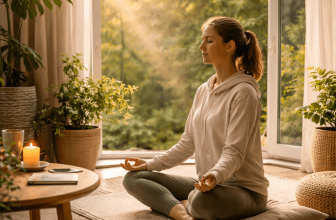
Wellness does not always come from big changes or complex routines. Often, it grows from small daily habits that gently support your body and mind. When repeated consistently, simple actions can create a strong foundation for feeling more balanced, calm, and energized.
One of the most effective habits is creating small transition moments during your day. Instead of moving from one task straight into the next, pause for one minute. Take a few slow breaths, relax your shoulders, and reset your focus. These micro breaks help reduce mental overload and improve clarity.
Hydration is another overlooked wellness tool. Drinking enough water supports concentration, mood, and physical comfort. Many people wait until they feel thirsty, but building a pattern of regular sipping throughout the day works better. Keeping a glass or bottle nearby acts as a visual reminder and makes the habit easier to maintain.
Light movement also plays a major role in daily wellness. This does not require intense exercise. Gentle stretching, short walks, or simple mobility movements help circulation and reduce stiffness. Movement also signals to your nervous system that you are active and engaged, which often improves mental state.
Your environment matters more than you might think. Small adjustments to your space can support calm and focus. Natural light, fresh air, plants, and reduced clutter all contribute to a more relaxed atmosphere. Even one tidy corner can become a reset zone where you can sit, breathe, and slow down.
Another powerful habit is mindful input. What you read, watch, and listen to affects your internal state. Choosing content that is educational, uplifting, or calming can support emotional balance. Limiting stressful input, especially late in the day, can also improve sleep quality.
Sleep preparation itself is a wellness habit. A simple wind down routine helps signal your body that it is time to rest. Lower lighting, reduced screen use, and quiet activities like reading or journaling can make it easier to fall asleep naturally.
The key is not perfection but consistency. Wellness habits should feel supportive, not stressful. Start with one or two small actions and build gradually. Over time, these simple practices can create noticeable improvements in how you feel each day.