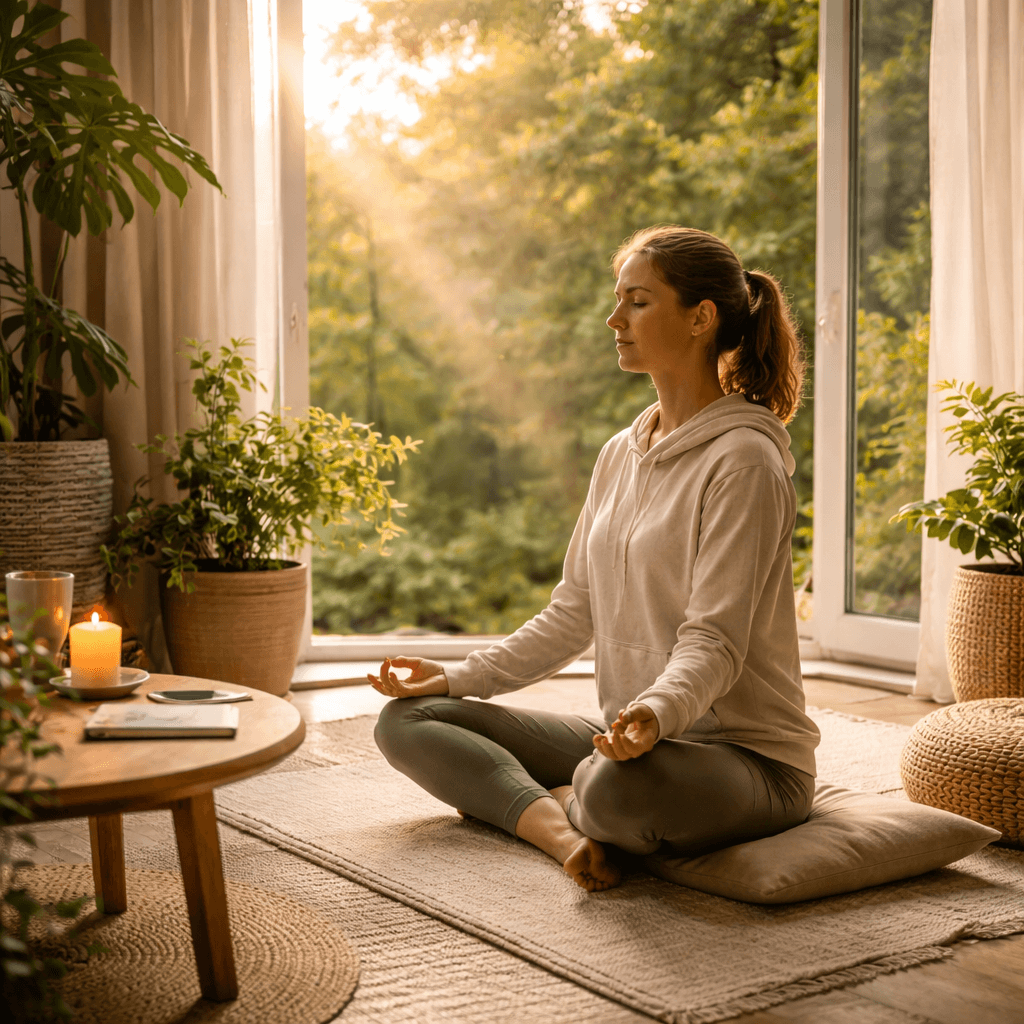
Life moves fast. Even on a “normal” day, many people feel like their minds never fully turn off. There are always messages, tasks, deadlines, responsibilities, and small decisions. Over time, this constant activity creates a background feeling of pressure, even when nothing is urgently wrong.
That’s why calmness is not just a mood, it’s a skill. Calmness is something you can practice and build, like strength or endurance. And the best part is, you don’t need special tools or a perfect routine to do it. Calmness can be added to your day through small actions, repeated consistently.
Why calmness matters
When you feel calm, everything becomes easier. You think more clearly. You respond instead of reacting. You speak more patiently. You make better choices with food, sleep, and time. Calmness doesn’t remove challenges, but it makes challenges feel more manageable.
Many people think calmness requires silence and a perfect environment, but real calmness is different. Real calmness is the ability to stay grounded even when life is busy. And that can be built through daily habits that train the mind to slow down.
Calmness starts in the body
One of the biggest mistakes people make is trying to “think their way” into calmness. But calmness usually begins in the body, not in the mind. If your body is tense, breathing is shallow, and your shoulders are tight, your mind naturally stays alert.
The simplest way to start creating calmness is through the nervous system. When your breathing slows down, the body receives a signal that things are safe. This creates a chain reaction: muscles relax, heart rate settles, and thoughts become less intense.
A calm body supports a calm mind.
The power of tiny calm moments
You don’t need a one-hour meditation session to benefit from calmness. In fact, calmness grows best through small moments that are easy to repeat. Five minutes of calm daily can be more effective than one long session once a month.
Think of calmness as “micro-rest.” Short breaks that reset your mood and energy throughout the day.
Examples of micro-calm moments include:
- standing outside for a few minutes
- taking slow breaths before checking your phone
- stretching your shoulders and neck
- sipping a drink slowly without multitasking
- walking without music or distractions
These actions may seem small, but they train your brain to slow down.
A simple calmness routine you can use anywhere
If you want an easy routine to build calmness daily, here is a simple method:
Step 1: Breathe (30 seconds)
Inhale slowly through your nose, then exhale longer than you inhale. Repeat 3–5 times.
Step 2: Release tension (30 seconds)
Relax your jaw. Drop your shoulders. Unclench your hands. Many people hold stress in the face without noticing it.
Step 3: Look far away (30 seconds)
Instead of staring at a screen, look into the distance, through a window or outside. This helps calm the nervous system and reduces mental overload.
Step 4: Choose one simple intention (10 seconds)
Examples:
- “Today I will move slowly.”
- “I will take one thing at a time.”
- “I will return to calm when I feel rushed.”
This routine takes less than two minutes and can be repeated anytime, morning, midday, or evening.
Calmness is supported by your environment
Your environment has a bigger effect on your mood than most people realize. A cluttered space, loud noise, harsh lighting, and constant screen time can keep the brain in alert mode.
To support calmness, consider simple adjustments:
- open a window for fresh air
- lower brightness in the evening
- take short breaks from screens
- add a plant, candle, or soft lighting
- play calm background sounds while working
These changes aren’t about perfection. They’re about creating a space that feels easier to be in.
Building calmness over time
Calmness grows through repetition. The goal is not to always feel calm. The goal is to have tools that bring you back to calm when needed.
Over time, these small habits create a steady shift. You’ll notice that stressful moments feel shorter, tension leaves faster, and your reactions become softer. This is the real benefit of calmness, it changes the way you experience daily life.
Final thought
Calmness is not something you wait for, it’s something you practice. The small moments matter. A slow breath, a quiet walk, a short pause before responding. These tiny actions build a calmer life one day at a time.